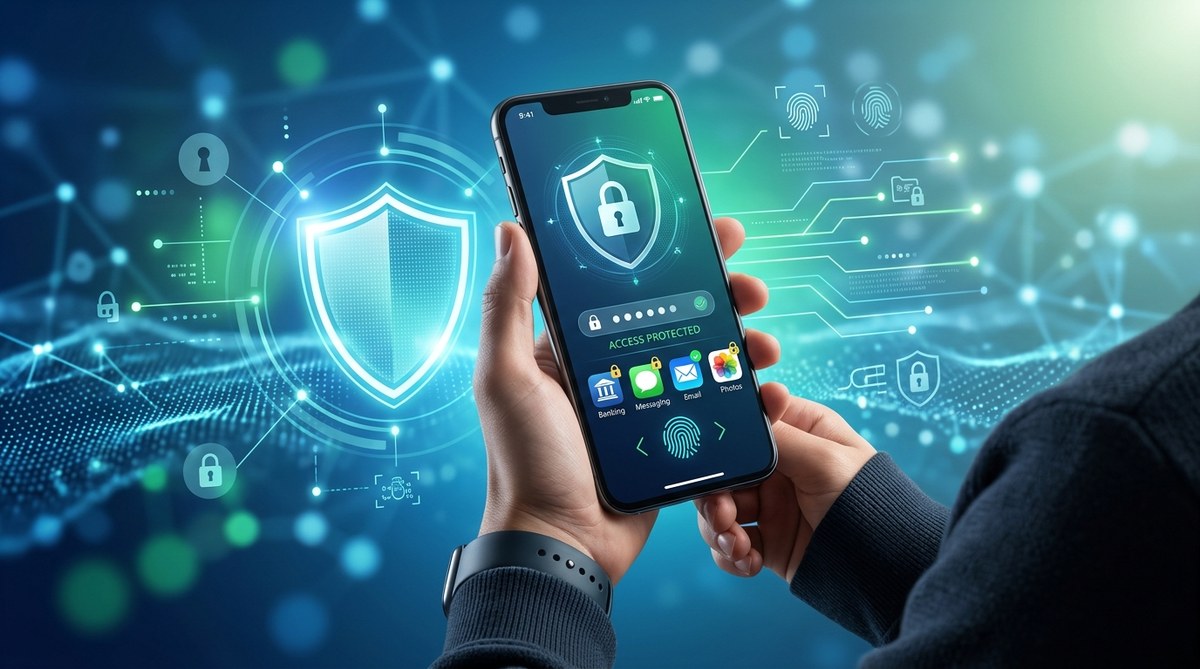
Protecting your mobile apps from unauthorized access is more vital than ever. Whether you’re a developer aiming to safeguard your users’ data or a security-conscious smartphone owner, understanding how to prevent breaches is key. Unauthorized access can lead to data theft, privacy violations, and serious trust issues. Fortunately, there are proven methods to keep your apps secure and your personal information safe. Let’s explore these strategies to strengthen your defenses and maintain control over your mobile environment.
Securing mobile apps involves a combination of strong authentication, encrypted data storage, and proactive security practices. Implementing multi-layered protections helps prevent unauthorized access and safeguards sensitive user information effectively.
Understanding The Risks of Unauthorized Access
Mobile apps are prime targets for cybercriminals. They often store personal details, payment info, or confidential business data. Attackers look for vulnerabilities to exploit, such as weak passwords, insecure data storage, or unprotected APIs. Once they gain access, the consequences can range from identity theft to financial loss and damaged reputation.
Knowing these risks is the first step. It prompts developers and users to take proactive measures. Even a small oversight, like neglecting to encrypt data or failing to verify user identity, can open the door to breaches.
Core Techniques to Safeguard Your Mobile Apps
There are several practical ways to protect mobile apps from unauthorized access. Combining these methods creates a robust security environment.
1. Implement Strong Authentication
Authentication is your first line of defense. Use multi-factor authentication (MFA) whenever possible. MFA combines something you know (password), something you have (security token), or something you are (biometric data). This makes it much harder for intruders to impersonate legitimate users.
- Use biometric authentication like fingerprint or facial recognition to add an extra layer.
- Enforce complex passwords and regular updates.
- Consider implementing device authentication to verify the device itself.
2. Encrypt Sensitive Data
Data encryption ensures that even if someone intercepts data or gains access to storage, they cannot read it. Use strong encryption standards like AES-256 for data at rest and TLS for data in transit.
- Store sensitive data in encrypted internal storage.
- Never hardcode API keys or passwords within your app code.
- Regularly update encryption protocols to meet current security standards.
3. Keep Your App and Dependencies Up-to-Date
Outdated apps can have known vulnerabilities. Maintain a strict update schedule for your application and libraries. This includes fixing bugs, patching security flaws, and upgrading encryption tools.
- Enable automatic updates where possible.
- Monitor security advisories related to your app’s frameworks and dependencies.
- Remove unused code or old libraries that could introduce risks.
4. Use Obfuscation and Code Signing
Obfuscating your code makes it harder for attackers to reverse-engineer your app. Code signing verifies app integrity and confirms it hasn’t been tampered with.
- Implement code obfuscation tools during development.
- Sign your app with a trusted certificate before distribution.
- Regularly verify app integrity through security checks.
5. Manage Permissions Carefully
Request only the permissions your app truly needs. Excess permissions can be exploited or accidentally leak data.
- Review permissions regularly.
- Use runtime permission requests to inform users why they’re needed.
- Avoid requesting permissions that are not essential for core functionality.
6. Secure API Communications
APIs often transmit sensitive data. Protect these channels with encryption and authentication.
- Use HTTPS with SSL/TLS for all API calls.
- Implement token-based authentication like OAuth.
- Validate all API responses to prevent injection attacks.
7. Detect and Prevent Root or Jailbreak Devices
Rooted or jailbroken devices bypass many built-in security features, increasing risks.
- Incorporate root/jailbreak detection into your app.
- Restrict app usage on compromised devices.
- Use device integrity checks regularly.
8. Regular Security Testing and Monitoring
Continuous testing helps identify vulnerabilities before attackers do.
- Conduct penetration tests periodically.
- Use security scanning tools to audit code and dependencies.
- Monitor app activity for suspicious behavior.
“Security isn’t a one-time effort. It requires ongoing vigilance and continuous improvement to stay ahead of evolving threats,” advises cybersecurity expert Jane Doe.
Common Mistakes That Open Doors for Unauthorized Access
| Technique | Mistake to Avoid |
|---|---|
| Weak passwords | Using simple or default passwords |
| Insecure data storage | Storing sensitive info unencrypted |
| Ignoring updates | Running outdated software with known vulnerabilities |
| Excessive permissions | Requesting permissions that aren’t necessary |
| Lack of regular testing | Failing to audit security measures periodically |
Practical Steps To Enhance App Security
Addressing vulnerabilities is a continuous process. Here are three practical steps:
- Regularly review and update your security protocols. Stay informed about new threats and patch your apps accordingly.
- Implement multi-layered security measures. Combine strong authentication, encryption, and device integrity checks.
- Educate your users. Encourage them to use strong passwords, enable biometric security, and keep their devices updated.
You can find more insights on how to build resilient apps by visiting our guide on [top strategies to secure your mobile apps from hackers].
Keeping Your Mobile Apps Safe And Sound
Protecting your mobile apps from unauthorized access is critical for users and developers alike. It involves a mix of technical measures and best practices. Focus on strong authentication, encrypted data handling, permission management, and regular security updates. Remember, security is a journey, not a destination. Staying vigilant and proactive helps you defend your apps and personal data against evolving threats.
By applying these strategies diligently, you create a safer environment for your users and build trust in your app. Keep security top of mind at every stage of development and maintenance. Your efforts will pay off with a more resilient, trustworthy mobile experience.
Secure Your Mobile Apps with Confidence
Take the time to implement these proven tactics today. Protecting your apps from unauthorized access isn’t just about avoiding breaches; it’s about respecting user privacy and maintaining credibility. Regularly review your security measures, stay updated on new threats, and always put user data first. With a thoughtful approach, you can significantly reduce risks and keep your mobile environment safe for everyone.